
Effective load handling in digital systems is a cornerstone of maintaining performance and ensuring a smooth user experience. In modern applications, whether online platforms, gaming environments, or financial systems, users expect instant responses, uninterrupted interactions, and consistent functionality, even during peak demand periods. Achieving this level of reliability requires careful architectural planning, proactive resource management, and intelligent system monitoring, all of which fall under the broader strategy of load handling.
Load handling begins with understanding the nature and pattern of user interactions. Traffic on a system rarely occurs in a uniform manner. Peak times, sudden spikes due to marketing campaigns or global events, and geographic variations all contribute to fluctuating demand. By accurately predicting these patterns, engineers can design systems that dynamically scale resources. For example, cloud-based infrastructures allow for horizontal scaling, where additional servers are deployed in response to increased load, and vertical scaling, where existing machines are upgraded to handle more processing power. This elasticity prevents bottlenecks and ensures that the system maintains optimal performance under varying conditions.
Equally important is the role of load balancing in distributing user requests evenly across servers. A well-designed load balancer prevents any single server from becoming a choke point, reducing latency and avoiding crashes. Modern algorithms not only consider server availability but also assess current load, connection speed, and even proximity to users to optimize routing. This ensures that each user experiences minimal delay, regardless of where they are located or how many others are accessing the system simultaneously. Load balancing also contributes to fault tolerance; if one server fails, traffic is automatically rerouted to healthy servers, maintaining uninterrupted service.
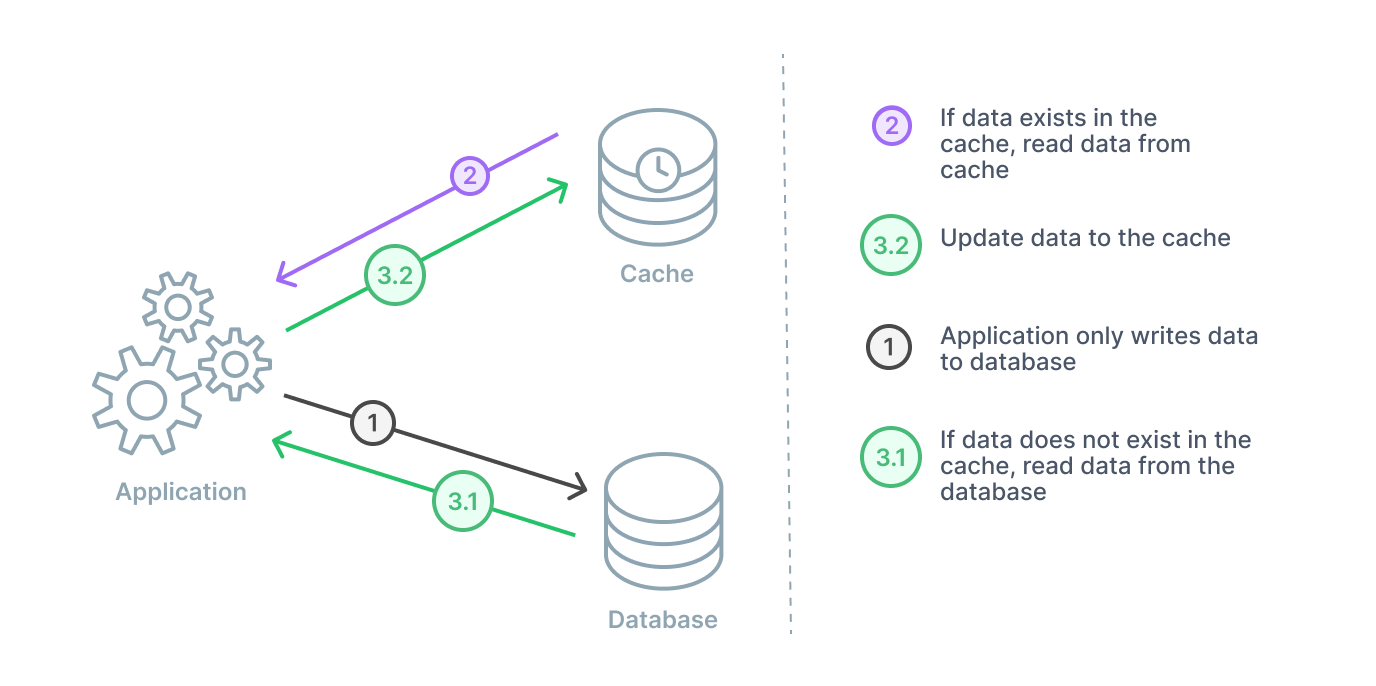
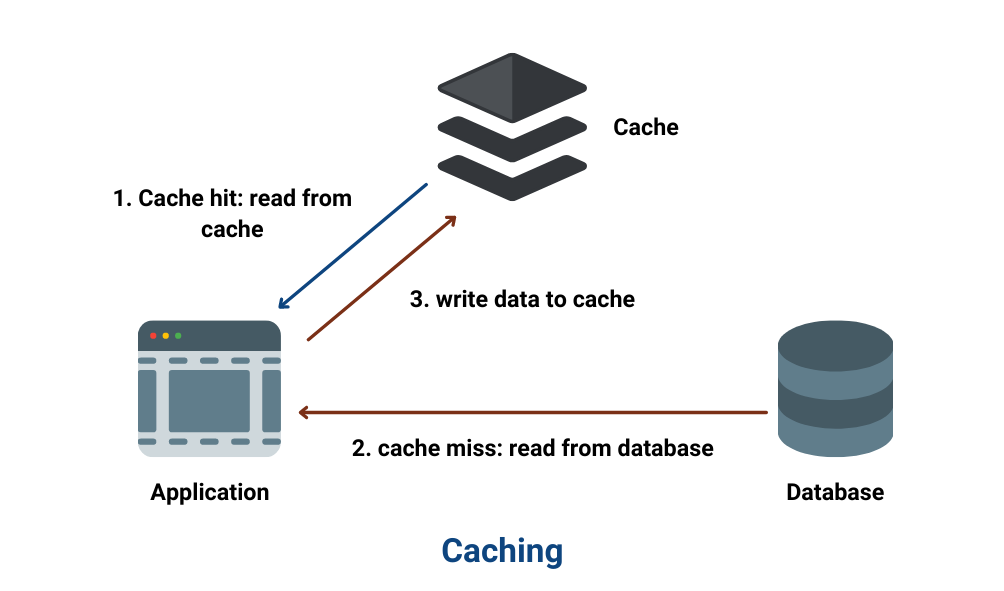
Caching mechanisms are another critical component of effective load management. Frequently requested data, such as user profiles, transaction histories, or static content, can be temporarily stored in high-speed memory to reduce the need for repeated database queries. By minimizing repetitive processing, caching not only improves response times but also decreases the overall computational load on primary servers. Intelligent caching strategies, including time-based expiration and content versioning, ensure that users receive up-to-date information without sacrificing performance. This balance between speed and accuracy is vital for user satisfaction and operational efficiency.
Databases, often the backbone of digital systems, require specialized load handling techniques. High read and write operations can quickly overwhelm a database if not properly managed. Techniques such as database sharding, where data is split across multiple servers, and replication, where copies of data are maintained in parallel locations, allow systems to handle high volumes of simultaneous operations. Indexing and query optimization further streamline data retrieval, ensuring that performance remains consistent even as the dataset grows. By reducing the time it takes to access and manipulate data, these strategies prevent slowdowns that can ripple through the entire application.
Monitoring and proactive alerts are indispensable for maintaining system performance. Real-time analytics provide visibility into system behavior, highlighting potential issues before they escalate into significant problems. Metrics such as server CPU usage, memory consumption, response times, and request throughput allow engineers to identify trends and intervene as necessary. Automated alerting systems notify administrators of unusual spikes or potential failures, enabling rapid response. This level of vigilance ensures that performance degradation is minimized and that users experience a reliable, responsive system even during periods of unexpected demand.
Resource optimization complements all these technical strategies. Efficient code, optimized algorithms, and prudent use of system resources directly influence how well a system can handle load. Poorly written code or excessive background processes can consume memory and CPU cycles unnecessarily, reducing the capacity available for user interactions. Profiling and performance testing allow developers to identify bottlenecks, optimize critical paths, and remove redundancies. Continuous integration pipelines with automated performance testing ensure that each update preserves or improves load handling capabilities, maintaining high standards across the system lifecycle.
Stress testing and scenario simulation are essential in preparing a system for real-world conditions. By artificially generating traffic that mimics peak loads or sudden surges, engineers can evaluate how the system responds under pressure. These tests reveal vulnerabilities, such as single points of failure, insufficient resource allocation, or inefficient algorithms. Addressing these issues before they affect actual users prevents performance degradation and reinforces the resilience of the platform. Regular testing also builds confidence that the system can maintain service levels even in unforeseen circumstances.
Beyond technical infrastructure, load handling also impacts user perception and trust. Users may tolerate minor delays occasionally, but repeated performance issues can lead to frustration, loss of engagement, and diminished brand reputation. Maintaining consistent speed and reliability assures users that the system is robust, capable, and trustworthy. In interactive applications such as online gaming or financial transactions, this assurance is even more critical, as delays or interruptions can have tangible consequences.
Automation further enhances load handling. Techniques such as auto-scaling, automated failover, and self-healing systems allow applications to respond dynamically without manual intervention. This reduces response times during load spikes and minimizes downtime in case of component failure. By leveraging automation, systems can maintain performance in a cost-effective manner, deploying additional resources only when necessary and retracting them when demand subsides.
Ultimately, the goal of load handling is to preserve performance while accommodating growth and variability. It is not a single action but a comprehensive strategy encompassing prediction, distribution, optimization, monitoring, testing, and automation. When effectively implemented, these practices create systems that are resilient, responsive, and reliable. Users experience minimal disruptions, businesses maintain operational continuity, and infrastructure is used efficiently, resulting in an overall sustainable and scalable digital environment. In a world where expectations for instant access and seamless interaction are ever-increasing, mastering load handling is a defining factor in the success of any modern system.


Leave a Reply