
In the world of digital products, the importance of ethical design cannot be overstated. Ethical design encompasses a range of practices that prioritize the well-being, autonomy, and trust of users. At its core, it reflects a commitment to creating experiences that are not only functional and aesthetically pleasing but also respectful of users’ needs and rights. By adhering to ethical principles, designers foster trust, which in turn encourages long-term engagement and positive relationships between users and products.
Trust is the cornerstone of any lasting interaction. When users believe that a platform operates transparently and in their best interest, they are more likely to engage deeply and repeatedly. Ethical design addresses this by ensuring that users are fully informed about how their data is collected, stored, and used. Transparency regarding privacy policies, permissions, and the purposes of data collection reassures users that their information is safe. When users feel protected and respected, they are less likely to experience anxiety or skepticism, which can otherwise undermine their willingness to interact with a product.
Another key aspect of ethical design is fairness. Users often encounter algorithms, recommendations, and automated systems that shape their experiences. Ensuring these systems operate without bias or discrimination is crucial. Ethical design mandates that these systems are tested for unintended consequences and that they deliver equitable outcomes for all users. When users perceive fairness in a platform’s operation, they develop confidence in its integrity. This trust is especially important in areas such as e-commerce, financial technology, healthcare apps, and social media, where decisions can have significant real-world impacts.
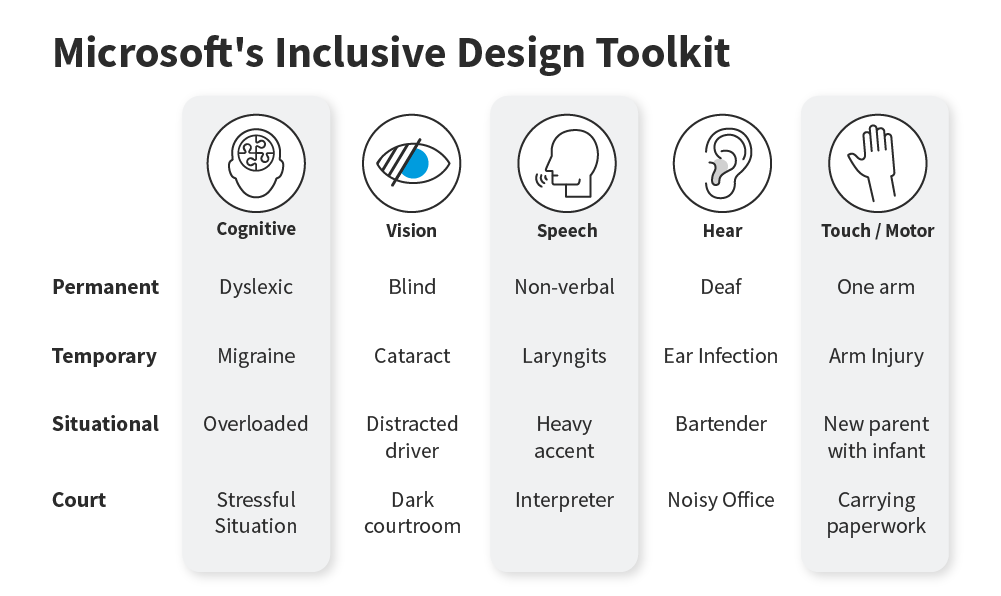
Accessibility is also a vital component of ethical design. Designing with inclusivity in mind means considering the needs of people with disabilities, language barriers, and different levels of technological literacy. A product that is accessible demonstrates respect for all users and signals a commitment to serving a diverse audience. By removing barriers that could exclude certain groups, ethical design strengthens trust and loyalty, as users see that the platform values everyone equally and provides meaningful experiences for all.
In addition to transparency, fairness, and accessibility, ethical design prioritizes user autonomy. Products should empower users to make informed choices rather than manipulate them into particular behaviors. This means avoiding dark patterns—design elements that coerce or deceive users into actions they might not otherwise take. When users are free to navigate a product without hidden agendas or manipulative tactics, they develop a sense of control. This perception of agency fosters a deeper, more genuine trust, as users feel respected rather than exploited.
The psychological impact of ethical design extends beyond immediate interactions. Users carry their perceptions of trustworthiness and integrity across their experiences, shaping their overall perception of a brand or product. A consistently ethical approach reduces the likelihood of negative experiences, complaints, or public backlash, and it encourages word-of-mouth promotion. Users who trust a platform are more likely to advocate for it, share it with others, and continue engaging over time, creating a virtuous cycle that benefits both the user and the organization.
Ethical design also plays a crucial role in crisis management. When problems arise, transparent communication and honest handling of issues can prevent erosion of trust. Users are more forgiving of mistakes if they perceive that the platform is acting responsibly and ethically. By designing systems that anticipate potential risks and provide clear, user-friendly avenues for addressing concerns, organizations demonstrate that they value integrity and user welfare. This proactive approach reinforces trust, as users know that their interests are prioritized even in challenging situations.
In addition to fostering trust, ethical design influences user satisfaction and engagement. When users feel respected and understood, their experiences become more enjoyable and meaningful. Ethical design often involves careful attention to usability, clarity, and empathy, ensuring that products are intuitive and aligned with users’ expectations. This enhances the overall perception of the platform, reducing frustration and confusion. Users who consistently encounter positive, ethical interactions are more likely to remain loyal, reducing churn and increasing long-term engagement.
The intersection of ethical design and technology also highlights the responsibility of designers to anticipate social consequences. Every design decision can have ripple effects on communities, cultures, and society at large. Ethical design requires consideration of these broader impacts, including potential environmental, economic, and social consequences. By acting with foresight and responsibility, designers demonstrate that their priorities extend beyond profit or efficiency. This holistic approach signals to users that the platform values ethical stewardship, further solidifying trust.
Ultimately, ethical design is not merely a set of guidelines; it is a philosophy that guides decision-making at every level. From the micro-interactions in user interfaces to overarching policies and business models, ethical considerations ensure that products serve users with integrity. By embedding trustworthiness into the design process, organizations create environments where users feel secure, empowered, and valued. This trust forms the foundation for meaningful engagement, long-term relationships, and sustainable success. Ethical design, therefore, is not just about doing what is right—it is a strategic investment in trust, loyalty, and the enduring credibility of a platform in a world where users increasingly demand accountability and transparency.


Leave a Reply