
In the rapidly evolving world of online gambling, the presence of live dealers has become one of the most compelling features distinguishing traditional online casinos from more interactive, immersive experiences. The authenticity that live dealers bring to the table is not merely a superficial enhancement but fundamentally reshapes how players perceive the game, trust the platform, and engage with the overall environment. Unlike automated or virtual interfaces, live dealer games simulate the real-world casino experience in a way that feels tangible, immediate, and genuine. This sense of realism plays a crucial role in player satisfaction, retention, and the overall perception of fairness.
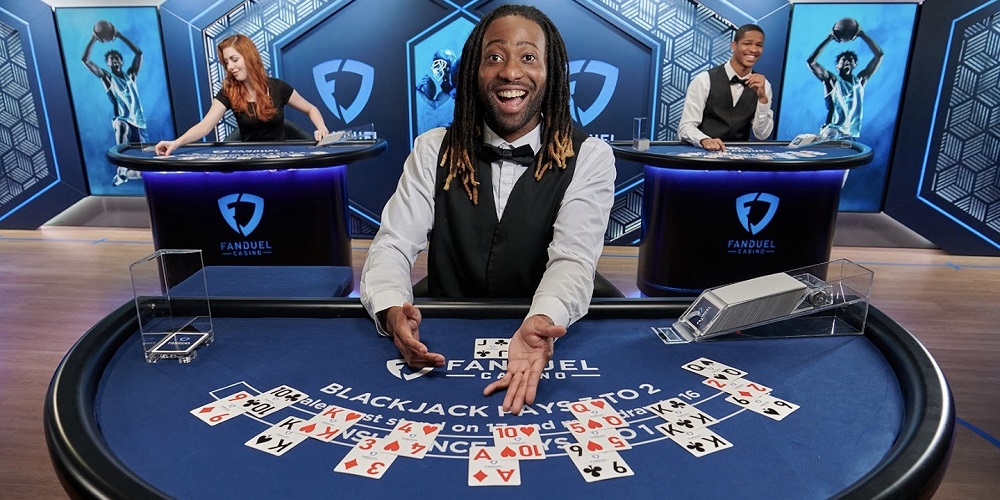
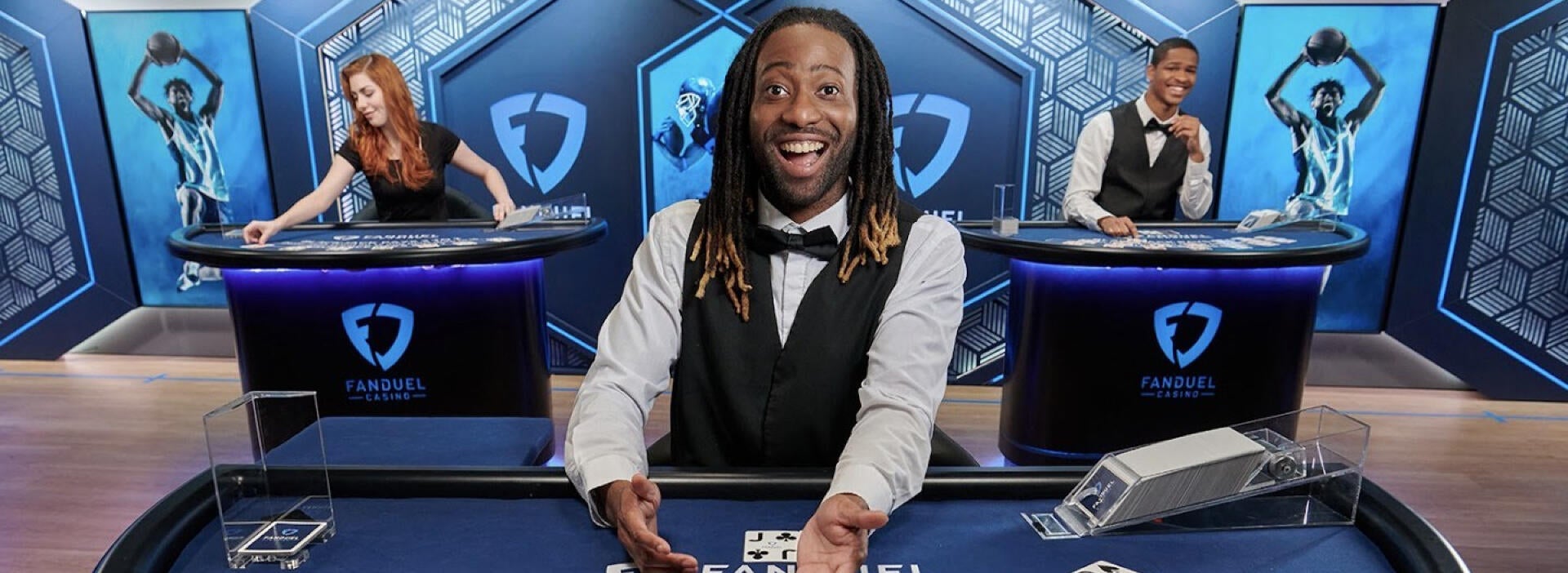
One of the primary reasons live dealer presence adds authenticity is the element of human interaction. Players are accustomed to human dealers in brick-and-mortar casinos, where subtle gestures, professional demeanor, and real-time responses shape the gaming experience. Transposing this to an online environment, live dealers act as the bridge between digital convenience and the personal touch of a physical casino. Players witness a person handling the cards, spinning the roulette wheel, or interacting with other participants in real time, which fosters a sense of accountability and transparency. The knowledge that the dealer is genuinely managing the game can significantly reduce doubts about manipulation or unfair play, elevating the player’s trust in the platform.
Moreover, live dealer games provide a dynamic social experience that automated systems cannot replicate. Chat functions, table etiquette, and interactive commentary allow players to engage not only with the dealer but with each other, forming a micro-community around the gaming session. This social element reinforces authenticity because human behaviors—smiles, laughter, gestures, and subtle reactions—signal that the experience is unscripted and genuine. In contrast, traditional digital slots or RNG-based tables, while efficient, often feel sterile and predictable. Players crave engagement, and the live dealer’s presence satisfies this need by offering nuanced interactions that reflect real-world gaming conventions.
Authenticity is also closely linked to the visual and auditory realism that live dealers provide. High-definition streams, multiple camera angles, and professional audio capture nuances that automated games cannot convey. The sight of cards being shuffled by a real hand, chips being counted, or the roulette ball bouncing unpredictably creates an atmosphere that is psychologically closer to a physical casino. Players are not merely pressing buttons; they are part of a performance that unfolds in real time. This sensory fidelity enhances immersion, making the experience feel credible and less like a simulation. The impact is not trivial—research in user experience design consistently shows that perceived realism increases engagement, prolongs sessions, and heightens emotional investment.
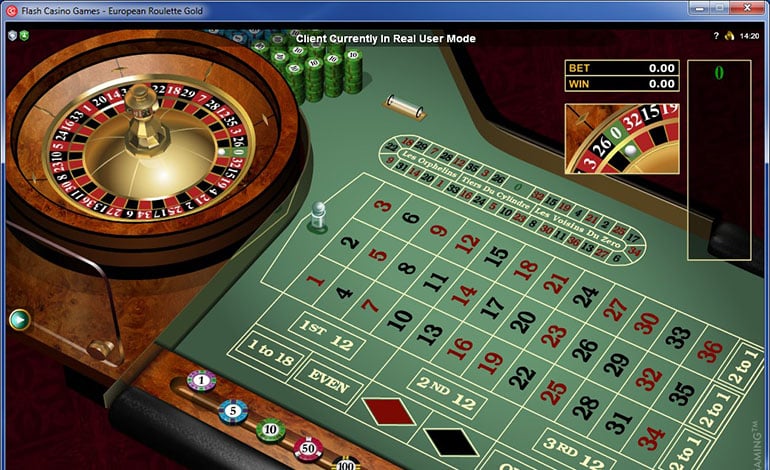
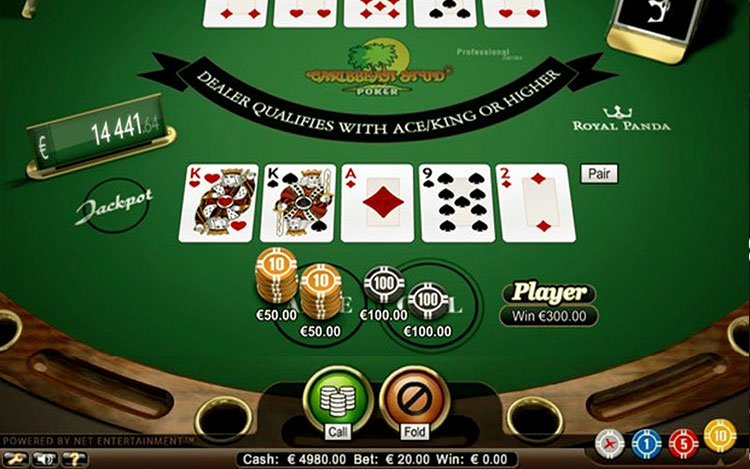
Another factor contributing to authenticity is transparency in game mechanics. With live dealers, every action is observable and verifiable. Players can see the cards, chips, or roulette outcomes as they happen, eliminating doubts about randomness or algorithmic bias. This visibility contrasts sharply with software-based RNG games, where outcomes are determined invisibly behind the interface. The presence of a live dealer reassures players that results are generated in real time and are subject to the natural unpredictability of human-dealt or physical devices. For players who prioritize fairness and accountability, this assurance is a decisive factor in choosing live dealer tables over automated counterparts.
The psychological dimension of trust cannot be understated. Gambling is inherently a risk-laden activity, and players are acutely aware of potential manipulation, errors, or unfair practices. Live dealers mitigate these concerns by embodying reliability and professionalism. Their training, consistent conduct, and the structured environment they maintain signal that the game operates under strict rules. For example, seeing a dealer correctly shuffle, deal, or manage bets reassures players that the casino values integrity. This trust extends beyond individual sessions—it strengthens long-term loyalty and encourages repeat engagement. Players often equate human oversight with ethical practice, creating a deeper, more durable connection to the platform.
Furthermore, live dealer presence allows for the integration of advanced features without compromising realism. Modern live dealer studios often employ multiple camera angles, slow-motion replays, and interactive overlays that enrich the gameplay while maintaining authenticity. Players can view critical moments from different perspectives, track bets visually, and even participate in side games that mimic physical casino experiences. These enhancements do not detract from the human element; instead, they complement it, creating a sophisticated and credible gaming environment that blends technology and tradition. The seamless fusion of interactivity and human presence further solidifies the perception that the experience is authentic.
Cultural and psychological cues also play a role. Players associate live dealers with entertainment, prestige, and social validation. The professional attire, courteous interactions, and controlled environment mirror the conventions of high-quality casinos. These subtle cues reinforce the idea that the experience is legitimate, elevating the overall perception of authenticity. Players are not just engaging with a game—they are participating in a social ritual that mirrors real-world gambling traditions. This alignment between expectation and experience is crucial for player satisfaction, as it meets both cognitive and emotional needs simultaneously.
Finally, live dealer games cater to players seeking novelty and premium experiences. While automated games offer efficiency and convenience, live dealer tables deliver an exclusive feeling of being in the moment. This perceived premium quality heightens engagement and motivates players to invest more time and attention. It also appeals to a broad demographic, from traditional gamblers seeking familiarity to modern players craving interactive, social, and visually compelling experiences. By bridging digital accessibility with tangible realism, live dealer presence transforms online gambling into a multifaceted, authentic experience.
In conclusion, the presence of live dealers fundamentally enhances the authenticity of online gambling. Through human interaction, social engagement, visual and auditory realism, transparency, and psychological trust cues, live dealer tables create experiences that are immersive, credible, and emotionally satisfying. Players are reassured that the game is fair, professional, and interactive, which fosters trust, prolongs engagement, and encourages loyalty. By merging the best aspects of physical casinos with the convenience of digital access, live dealer platforms deliver a level of authenticity that automated systems alone cannot achieve, making them an indispensable component of modern online gambling.








Leave a Reply